
Learn about psilocybin mushrooms
Psilocybin mushrooms represent one of nature's most remarkable healing tools—used for thousands of years in traditional practices and now validated by modern clinical research. These naturally occurring fungi contain compounds that show extraordinary promise for treating mental health conditions affecting millions of Americans.
Chapters:
- Nature's Ancient Medicine for Modern Mental Health
- What Are Psilocybin Mushrooms?
- The Science Behind Psilocybin's Healing Potential
- Safety Profile and Research Status
- Understanding the Psilocybin Experience
- Legal Status and the Case for Decriminalization
- Traditional Use and Spiritual Significance
- Understanding Current Use and Safety Data
- The Path Forward: Decriminalization in Michigan
- Additional Resources
Nature's Ancient Medicine for Modern Mental Health
Psilocybin mushrooms represent one of nature's most remarkable healing tools—used for thousands of years in traditional practices and now validated by modern clinical research. These naturally occurring fungi contain compounds that show extraordinary promise for treating mental health conditions affecting millions of Americans, from depression and anxiety to PTSD and addiction.
As Michigan moves toward decriminalization, understanding what psilocybin mushrooms are, how they work, and why access matters has never been more important.
What Are Psilocybin Mushrooms?
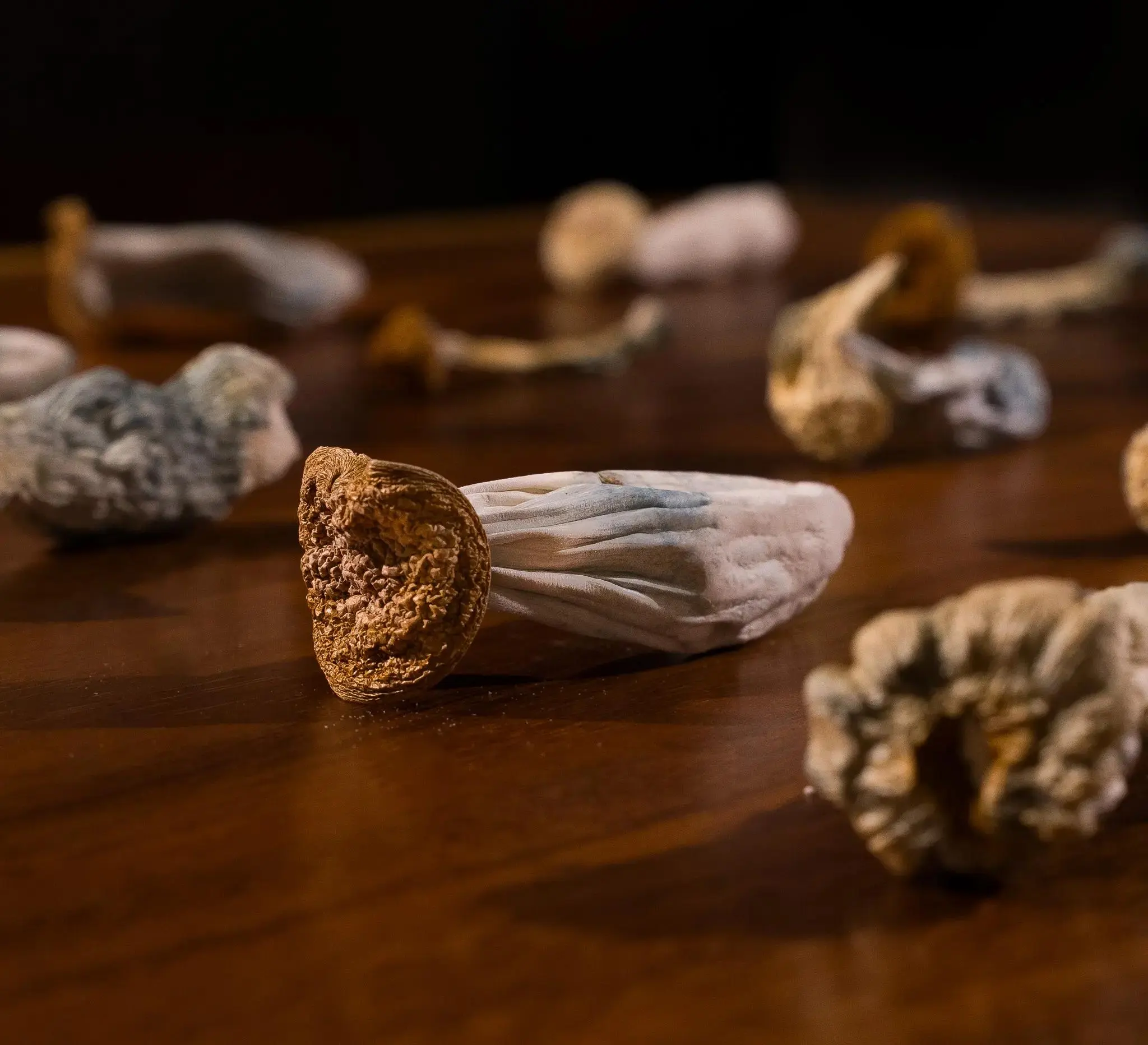
Psilocybin mushrooms are naturally occurring fungi that contain the psychoactive compounds psilocybin and psilocin. According to ICEERS, "there are more than 180 species of mushrooms that contain tryptamine alkaloids such as psilocybin and psilocin. They include the genera Psilocybe (117 species), Gymnopilus (13 species), Panaeolus (7 species), Copelandia (12 species)." These mushrooms grow across vast geographic areas—from Alaska to southern Chile, throughout Europe and Siberia, across Australia and New Zealand, in Hawaii, Japan, and Southeast Asia. Mexico hosts the greatest variety of psilocybin-containing mushrooms anywhere on Earth.
The most widely recognized species include Psilocybe cubensis (with dozens of varieties like B+, Ecuador, and Mazatapec), Psilocybe semilanceata, Psilocybe cyanescens, and Psilocybe azurescens. Most grow in humid subtropical forests, though they adapt to diverse environments from high mountains to coastal regions.
When consumed, psilocybin acts as a prodrug—a stable precursor that converts to psilocin once absorbed by the body. Psilocin produces the actual psychoactive effects, though both compounds work together with a third alkaloid, baeocystin, to create the mushroom's unique characteristics.
Ancient Names and Sacred Status
These mushrooms have been part of human culture for millennia. The Aztecs called them "teonanácatl" in their Nahuatl language—most commonly translated as "flesh of the gods," though some scholars suggest "sacred mushrooms" or "marvelous mushrooms" might be more literal. This name reflects the profound reverence Mesoamerican civilizations held for these mushrooms' spiritual and healing properties.
Archaeological evidence suggests use extending back far deeper than the Aztec empire. Possible depictions appear in murals at Tassili in the Sahara desert dating from 7000-9000 BCE, though these remain debated. More certain evidence comes from the Selva Pascuala mural in Spain (6000-4000 BCE), which shows mushrooms identified as Psilocybe hispanica alongside bulls—reflecting how these species grow in cattle pastures.
In Mesoamerica, evidence of psilocybin mushroom use spans millennia. Mushroom-shaped vessels associated with Mayan culture have been discovered throughout Mexico, Guatemala, Honduras, and El Salvador, dating from 500 BCE to 900 CE. The first documented Spanish-era reports describe mushroom use during the coronation celebration of Aztec emperor Moctezuma II in 1502, written by an indigenous historian named Tezozomoc in 1598.
Spanish colonizer Fray Bernardino de Sahagún documented mushroom use in religious, medical, and divination ceremonies in his work "A General History of Things in New Spain." Other artistic evidence survived colonization, including the Codex Vindobonensis, Codex Magliabechiano, and the Tepantitla frescoes in Teotihuacan.
In Japan, Gymnopilus spectabilis—known as "maitake" (mushroom dancer) or "owaraitake" (laughter mushroom)—appears in the Konjaku Monogatari, a collection of tales from the late 9th century CE.
Colonial Suppression and Modern Rediscovery
Spanish colonizers viewed mushroom use as contrary to Christian morality. In 1620, the Inquisition tribunal declared psilocybin mushroom use heretical and harshly punished healers and users. This forced traditional practices into clandestine secrecy for over three centuries—an early example of using religious and legal authority to criminalize indigenous healing practices.
The Western rediscovery began in 1938 when researchers Reko and Schultes obtained and identified three varieties of visionary mushrooms in Huautla de Jiménez, Oaxaca. That same year, Irmgard Weitlaner and Jean Bassett Johnson attended a mushroom ceremony, though they didn't participate directly.
The pivotal moment came in 1955 when R. Gordon Wasson and photographer Allan Richardson attended a psilocybin ceremony led by Maria Sabina, a Mazatec shaman. They became the first Westerners to directly experience and document the effects and traditional ceremonial context. This encounter bridged centuries of suppressed knowledge and sparked modern scientific interest.
In 1957, Swiss chemist Albert Hofmann—famous for synthesizing LSD—successfully isolated psilocybin from Psilocybe mexicana mushrooms. He synthesized pure psilocybin in 1958, enabling controlled research. This scientific breakthrough validated traditional knowledge and opened pathways for medical investigation that continue accelerating today.
Traditional use emphasized respect, intention, and ceremonial context. Indigenous communities understood these mushrooms as teachers and medicines, not recreational substances. This ancient wisdom increasingly aligns with modern scientific understanding of how psilocybin creates lasting therapeutic benefits.
The Science Behind Psilocybin's Healing Potential
Modern research validates what traditional cultures have known for generations: psilocybin facilitates profound healing and personal transformation. Clinical studies at leading research institutions demonstrate remarkable therapeutic potential across multiple mental health conditions.
Understanding How Psilocybin Works
When consumed, psilocybin mushrooms deliver their active compounds through the digestive system. Psilocybin itself is pharmacologically inactive—it functions as a prodrug, converting to psilocin once absorbed. Psilocin produces the actual psychoactive effects by interacting with serotonin receptors throughout the brain, particularly the 5-HT2A receptor.
The potency varies significantly between species and growing conditions. Common varieties like Psilocybe cubensis and Psilocybe semilanceata contain approximately 6-10 milligrams of psilocybin per gram of dried mushrooms. More potent species like Psilocybe azurescens and Psilocybe bohemica contain higher concentrations—around 1.74-1.78% psilocybin by weight.
Effects typically begin within 30 minutes of ingestion—faster than LSD or mescaline. The experience peaks between 60 and 90 minutes, maintaining maximum intensity for approximately two hours before gradually diminishing. Total duration ranges from four to six hours depending on dosage, with after-effects sometimes lasting into the following day.
Physical effects remain generally mild: dilated pupils, slight increases in heart rate and blood pressure (especially at higher doses), occasional nausea, and rarely muscle discomfort or tremors. These physical effects pale compared to the profound psychological and perceptual changes.
Treatment-Resistant Depression
Research participants report improvements lasting months after a single psilocybin session when combined with supportive therapy.
Unlike daily medications that require continuous use, psilocybin appears to create lasting changes in brain connectivity and thought patterns. Neuroimaging studies reveal that psilocybin increases communication between brain regions that don't normally interact, potentially helping people break free from rigid, negative thinking patterns characteristic of depression.
Anxiety and End-of-Life Distress
Studies involving cancer patients facing terminal diagnoses demonstrate psilocybin's power to reduce death anxiety and improve quality of life during end-of-life challenges. Participants report finding peace, acceptance, and renewed meaning after psilocybin therapy sessions. These benefits persist long after treatment, helping patients and their families navigate one of life's most difficult transitions with greater emotional ease.
Psilocybin therapy also shows promise for general anxiety disorders. Research indicates it helps people process difficult emotions, gain new perspectives on anxiety-producing situations, and develop healthier responses to stress and uncertainty.
PTSD and Trauma Healing
Trauma survivors often struggle with intrusive memories, hypervigilance, and emotional numbness that resist conventional treatment. Preliminary research suggests psilocybin may help individuals process traumatic experiences by temporarily lowering psychological defenses and enabling new perspectives on past events. Veterans and trauma survivors participating in studies report meaningful reductions in PTSD symptoms and improved daily functioning.
The therapeutic mechanism appears related to psilocybin's ability to enhance emotional openness and cognitive flexibility while reducing activity in the brain's "default mode network"—the neural system associated with rigid, repetitive thought patterns and sense of separate self.
Addiction Recovery
Clinical evidence demonstrates psilocybin's potential for treating alcohol and tobacco addiction. Participants in controlled studies show significantly higher quit rates compared to conventional addiction treatments. Many describe gaining insight into root causes of their addictive behaviors—childhood trauma, unmet emotional needs, or existential dissatisfaction—and finding motivation to change.
Rather than simply suppressing cravings, psilocybin appears to help people understand and address underlying psychological factors driving addiction. Combined with therapeutic support, this approach offers hope for millions struggling with substance dependence.
Safety Profile and Research Status
One of psilocybin's most remarkable features is its exceptional safety profile. Medical research consistently confirms what traditional users have known: when used appropriately, psilocybin mushrooms present minimal physical risks.
Physically Safe and Non-Addictive
Psilocybin ranks among the safest psychoactive substances known to science. Research conducted in 2011 concluded that psilocybin mushroom use is remarkably safe, with adverse effects classified as "slight" when they occur at all. It causes no organ damage, carries no risk of lethal overdose, and doesn't create physical dependence.
Perhaps most compelling evidence comes from the 2017 Global Drug Survey, which surveyed thousands of users about emergency medical treatment. Psilocybin mushrooms generated the fewest emergency room visits of any substance surveyed—only 0.2% of users sought medical attention. This made mushrooms the safest substance reported, safer than alcohol, cannabis, MDMA, cocaine, and all other substances examined.
Studies examining long-term health effects find no evidence of lasting physical harm. Unlike alcohol, tobacco, or many prescription drugs, psilocybin doesn't damage the liver, heart, kidneys, or other organs even with repeated use. Research participants can use psilocybin repeatedly in clinical settings without developing tolerance requiring escalating doses—unlike many pharmaceutical medications.
This extraordinary safety profile makes criminalization particularly unjustifiable from a public health perspective. Substances causing far greater harm—alcohol kills approximately 95,000 Americans annually—remain legal and commercially promoted while psilocybin faces the harshest legal penalties.
FDA Recognition as Breakthrough Therapy
In 2018, the U.S. Food and Drug Administration designated psilocybin as a "breakthrough therapy" for treatment-resistant depression. This designation recognizes substances showing substantial improvement over existing treatments for serious conditions and expedites the research and approval process.
This federal acknowledgment represents a significant milestone. The FDA rarely grants breakthrough therapy status, reserving it for treatments showing exceptional promise. This recognition validates decades of research demonstrating psilocybin's therapeutic value and contradicts its Schedule I classification, which claims no accepted medical use.
Growing Clinical Evidence
Major universities and research institutions worldwide are conducting rigorous clinical trials exploring psilocybin's therapeutic applications. Johns Hopkins University established the Center for Psychedelic and Consciousness Research—the first of its kind at a major American university. Imperial College London, Yale, NYU, and other prestigious institutions are publishing peer-reviewed studies consistently showing positive results.
Research methodologies include randomized, double-blind, placebo-controlled trials—the gold standard in medical research. Results aren't anecdotal or based on uncontrolled observations; they meet the highest scientific standards for demonstrating safety and efficacy.
Lasting Positive Changes
Perhaps most remarkably, research shows that properly conducted psilocybin experiences can produce benefits persisting months or years after a single session. Participants report sustained improvements in mood, life satisfaction, relationships, and overall well-being long after psilocybin has left their system.
Studies measuring personality changes find lasting increases in openness—a trait linked to creativity, curiosity, and appreciation for new experiences. Research participants also report enhanced empathy, improved relationships, and renewed sense of meaning and purpose. Many rank their psilocybin experience among the most significant events of their lives, comparable to childbirth or loss of loved ones.
Understanding the Psilocybin Experience
Beyond therapeutic applications, understanding what psilocybin experiences entail helps demystify these substances and supports informed decision-making about their use.
Psychological and Perceptual Effects
Psilocybin produces marked alterations in sensory perception and profound changes in consciousness. Visual changes often include intensified colors, geometric patterns with closed eyes, objects appearing to breathe or flow, and surfaces that seem to undulate or shimmer. Some people experience synesthesia—perceiving sound as color, or sensing music as physical sensation.
Auditory perception deepens, with enhanced appreciation for music and environmental sounds. Touch sensitivity increases, sometimes accompanied by sensations of energy moving through the body or feelings of warmth and cold.
At the cognitive level, psilocybin can temporarily reduce activity in the brain's "default mode network"—neural circuits responsible for self-referential thinking and the sense of separate identity. This produces what researchers call "ego dissolution"—a temporary softening of boundaries between self and environment that many describe as oceanic or transcendent.
Mystical Experiences and Healing
Research demonstrates psilocybin's ability to facilitate mystical-type experiences characterized by feelings of unity, sacredness, transcendence of time and space, deeply positive emotions, and ineffability—the sense that the experience defies adequate description. Studies show these aren't merely subjective impressions but measurable psychological states that predict therapeutic outcomes.
Notably, the depth of mystical experience during psilocybin sessions correlates directly with therapeutic benefit. Participants reporting more profound spiritual experiences show greater reductions in depression and anxiety. This suggests psilocybin's healing power operates partly through facilitating transcendent experiences that fundamentally reshape perspective, values, and relationship to life challenges.
The Importance of Set and Setting
Traditional cultures understood what modern research confirms: context profoundly influences psilocybin experiences. "Set" refers to mindset—psychological state, expectations, and intentions. "Setting" means physical and social environment—location, companions, music, and atmosphere.
Careful attention to both factors significantly reduces risks of difficult experiences. A quiet, aesthetically pleasing environment free from interruptions, with music selected beforehand and trusted companions present, creates conditions for positive experiences. Less controlled settings increase the possibility of anxiety-producing unexpected events.
Psychological preparation matters equally. Understanding potential effects reduces anxiety about the unfamiliar. Being in stable emotional circumstances rather than during periods of acute stress, crisis, or severe depression decreases the likelihood of overwhelming difficulty.
While challenging moments can occur at any dose, proper preparation, supportive context, and willingness to accept whatever arises without resistance help people navigate these experiences constructively. In therapeutic settings, trained guides help participants work through difficult material that emerges, often facilitating the deepest healing.
Addressing Challenging Experiences
Honest discussion of psilocybin requires acknowledging that difficult experiences can occur. People may experience intense fear, anxiety, paranoid thoughts, disorientation, or feeling that the experience will never end—sometimes called a "bad trip." At higher doses, experiences may involve intense emotional catharsis or temporary psychotic-type symptoms that resolve when effects subside.
These experiences, while uncomfortable, rarely cause lasting harm when properly supported. Most resolve naturally as effects diminish. In clinical settings, trained therapists help participants navigate challenging material, often leading to therapeutic breakthroughs. The same material that feels frightening without support can become transformative healing when met with compassionate guidance.
People with cardiovascular conditions or those taking blood pressure medications should exercise caution due to potential increases in heart rate and blood pressure during experiences. Anyone with personal or strong family history of psychotic disorders should approach psilocybin with careful consideration, as it may trigger latent vulnerabilities in rare cases.
Critical Safety Note: Mushroom Identification
When collecting mushrooms from natural environments, correct identification is absolutely essential. While most psilocybin-containing mushrooms are safe, certain toxic species—particularly some from the Galerina and Pholiota genera—can resemble psilocybin mushrooms and cause severe poisoning or death.
Never consume mushrooms without positive identification from multiple reliable sources. When in doubt, consult expert mycologists or field guides specific to your region. This precaution cannot be overstated: mistaken identification can have fatal consequences. For those without mushroom identification expertise, cultivation from verified spore sources or obtaining mushrooms from knowledgeable community members represents a safer approach than wild foraging.
Legal Status and the Case for Decriminalization
Despite psilocybin's exceptional safety profile and growing therapeutic evidence, it remains classified as a Schedule I controlled substance under federal law. This classification—shared with heroin and other dangerous drugs—claims psilocybin has high abuse potential and no accepted medical use. Neither assertion reflects scientific reality.
The UN Convention and Legal Ambiguities
Criminalization Based on Politics, Not Science
Why Decriminalization Matters
Traditional Use and Spiritual Significance
Understanding psilocybin mushrooms requires honoring their traditional and spiritual context. For many cultures and individuals, these mushrooms represent sacred medicines used to facilitate spiritual growth, connection with nature, and exploration of consciousness.
Indigenous Wisdom and Ceremonial Practice
Indigenous communities throughout the Americas have used psilocybin mushrooms ceremonially for thousands of years. These traditional practices emphasized preparation, intention, community support, and integration of insights gained during experiences. Mushrooms weren't used casually or recreationally but as tools for healing, divination, and connecting with the sacred.
Traditional knowledge holders recognized different mushroom species, understood appropriate dosing, and developed ceremonial protocols ensuring safe, meaningful experiences. This accumulated wisdom reflects sophisticated understanding of psilocybin's effects and therapeutic potential—knowledge that prohibition has attempted to suppress but never eliminated.
Spiritual Experiences and Consciousness Exploration
Many people describe psilocybin experiences as deeply spiritual, producing feelings of unity, transcendence, and connection to something greater than individual ego. Research confirms these aren't simply subjective impressions—controlled studies using validated scales demonstrate that psilocybin reliably produces experiences meeting criteria for "mystical-type" or "peak" experiences.
These spiritual dimensions matter therapeutically. Research shows that the depth of mystical experience during psilocybin sessions predicts therapeutic outcomes. People reporting more profound spiritual experiences show greater reductions in depression and anxiety, suggesting that psilocybin's healing power operates partly through facilitating transcendent experiences that reshape perspective and values.
Reconnecting to Nature
Psilocybin experiences often foster renewed connection to the natural world. Users frequently report feeling part of nature rather than separate from it, experiencing deep appreciation for living systems, and developing greater environmental consciousness. This reconnection matters in our ecologically disconnected modern world.
Criminalization severs this connection by treating natural substances as contraband requiring eradication. Indigenous communities have seen sacred sites destroyed, traditional practices criminalized, and cultural knowledge suppressed. Decriminalization represents not just policy reform but restoration of humanity's relationship with natural healing traditions.
Understanding Current Use and Safety Data
24.4% of respondents used psilocybin mushrooms at some point in their lives—ranking eighth among all substances surveyed, behind alcohol, cannabis, tobacco, caffeine beverages, shisha, MDMA, and cocaine.
The 2017 Global Drug Survey
Psilocybin mushroom use is more common than many realize, though prevalence remains considerably lower than cannabis. European surveys indicate that among young adults aged 15-24, lifetime use ranges from 1% to 8% depending on the country. The 2017 Global Drug Survey found that 24.4% of respondents had used psilocybin mushrooms at some point in their lives—ranking eighth among all substances surveyed, behind alcohol, cannabis, tobacco, caffeine beverages, shisha, MDMA, and cocaine.
Comparative Safety Evidence
The same Global Drug Survey revealed striking safety data: psilocybin mushrooms generated the lowest rates of emergency medical treatment among all substances examined—just 0.2% of users sought emergency care. This made mushrooms demonstrably the safest substance reported, safer than alcohol, cannabis, and all other drugs surveyed.
Additionally, mushrooms produced the lowest rates of difficult experiences among all psychedelic substances examined—including plant medicines like ayahuasca and peyote, and synthetic psychedelics like LSD and DMT. This data contradicts cultural assumptions about psychedelic substances being inherently dangerous.
Usage Patterns
Usage patterns vary by region and reflect psilocybin mushrooms' accessibility as naturally occurring organisms. In some European countries—Norway, Scotland, Switzerland, the United Kingdom, and Denmark—people predominantly collect wild mushrooms from their natural habitats. In others—Belgium, Netherlands, Germany, and Finland—personal cultivation dominates.
These statistics reveal that millions of people worldwide use psilocybin mushrooms without causing harm to themselves or others. Criminalization doesn't prevent use; it simply adds punishment and stigma to fundamentally safe behavior that people pursue for healing, spiritual growth, and personal development.
The Path Forward: Decriminalization in Michigan
Michigan stands at a pivotal moment. Several cities—including Ann Arbor, Detroit, and Washtenaw County—have already decriminalized psilocybin, making enforcement the lowest law enforcement priority. These local victories demonstrate growing recognition that psilocybin prohibition causes more harm than the substance itself.
Statewide decriminalization would extend these protections to all Michiganders, ensuring that people seeking healing through natural medicine don't face criminal penalties anywhere in our state. This represents mental health reform, personal freedom, and recognition of both traditional wisdom and modern science.
What Decriminalization Means
Decriminalization differs fundamentally from legalization. We're not advocating for commercial sale, corporate-controlled markets, or treating psilocybin like alcohol or cannabis. Instead, we seek to:
- End arrests and prosecutions for personal use and possession
- Make psilocybin enforcement the lowest law enforcement priority
- Protect the "grow, gather, gift" model allowing non-commercial community sharing
- Prevent government and corporate control over access
- Restore basic rights to pursue healing through natural means
This approach learns from cannabis legalization's mistakes, where wealth consolidated with corporations rather than communities, and medical access became secondary to profit motives. Decriminalization keeps psilocybin accessible for healing while preventing commercialization.
Evidence-Based Reform
Michigan's decriminalization movement builds on solid evidence. Research demonstrates psilocybin's safety and therapeutic potential. Clinical trials show effectiveness for conditions affecting millions of Michigan residents. Traditional use spanning millennia provides cultural validation. And early-adopter cities show that decriminalization doesn't increase problematic use—it simply stops punishing people for victimless behavior.
This isn't radical experimentation; it's catching up to scientific consensus and correcting a historical injustice. Psilocybin's criminalization never reflected evidence—only political expediency. Decriminalization means aligning policy with facts.
Join the Movement
Change happens through informed communities and grassroots organizing. Whether you're seeking healing, value personal freedom, appreciate traditional wisdom, or simply believe policy should reflect evidence rather than politics, your voice matters.
Michigan's path to statewide decriminalization runs through education, community building, and advocacy. Learn about psilocybin's benefits. Share information with family, friends, and community members. Attend events. Contact legislators. Support organizations working toward reform.
Together, we can ensure all Michiganders have access to this remarkable natural medicine for healing, growth, and well-being.
Additional Resources
For more information about psilocybin mushrooms, research studies, and the decriminalization movement:
- Johns Hopkins Center for Psychedelic and Consciousness Research: Leading academic research institution studying psilocybin's therapeutic applications
- MAPS (Multidisciplinary Association for Psychedelic Studies): Research organization advancing psychedelic therapy and policy reform
- ICEERS (International Center for Ethnobotanical Education, Research & Services): Educational resource about traditional plant medicines and their legal status
- Erowid: Comprehensive database of information about psychoactive substances, including experience reports and research summaries